
What aspects of CNC metal machining would you like to know about?
For new business owners or those aspiring to become CNC metal machining suppliers, learning the basic metalworking processes is essential. The machining process involves removing material from a workpiece. Powered machine tools are used to shape metal into the desired designs to manufacture metal parts or components for various applications. Additionally, machining can be applied to any existing part, such as forgings or castings.
In this article, you will learn more about CNC metal machining processes to help you when selecting the best manufacturing technology for your products and meeting customer needs and preferences.
What is CNC Metal Machining?
CNC metal processing is a manufacturing process used to produce metal parts, tools, or machinery. It involves various operations to achieve the desired design specifications of the final product in terms of shape, hole diameter, dimensions, texture, and surface treatment.
CNC stands for Computer Numerical Control. In manufacturing, CNC machining refers to using a computer to convert product designs into graphical coordinates or numbers, and then control the movement of cutting tools. In short, CNC machining involves pre-programmed computer software that can control the movement of manufacturing tools and mechanical components (such as grinders, lathes, milling machines, and planers).
CNC machining runs pre-programmed designs in repetitive and predictable cycles. Due to the extremely low level of manual operation, this machining process is now widely used in manufacturing.
What is CNC metal machining process?
The CNC metal machining process involves a series of steps to achieve the desired product specifications, characteristics, and advantages.
CNC When it comes to
This is a type of metal numerical control machining that involves removing unwanted metal material from rotating parts. Lathes or turning machines can be used, with the workpiece fed into them in a high-speed rotating manner. As mentioned above, there are two types of turning: single-point cutting and multi-point cutting. Different tools are used according to product requirements.
Turning can improve the accuracy of features on rotating metal parts with existing shapes, allowing you to make improvements or add features to metal components at any time. Custom-designed fasteners and shafts are some examples of metal parts that can be manufactured using this process.
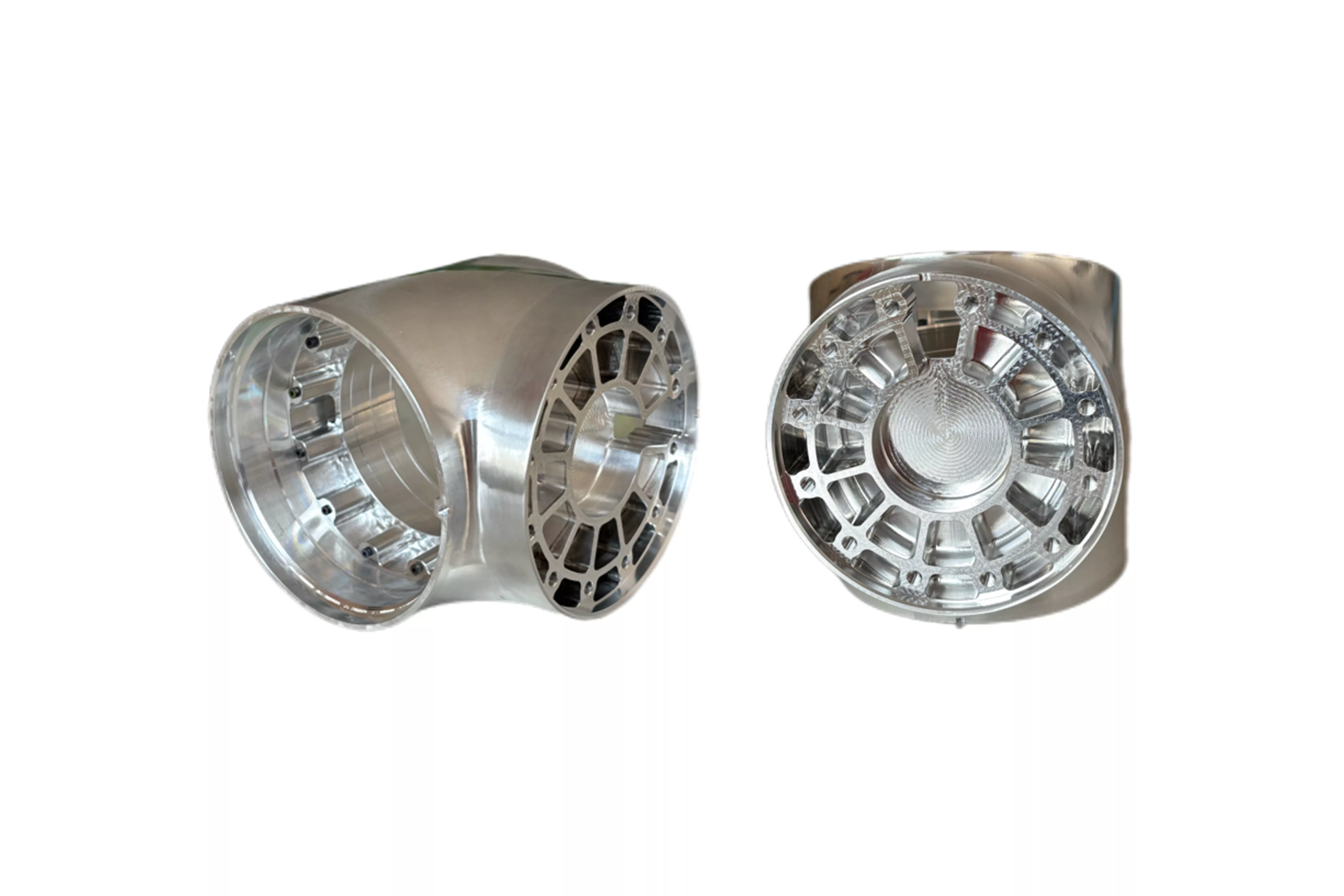
2. CNC Grinding
You can create symmetrical metal parts, such as grooves, three-dimensional surface profiles, holes, and recesses. Metal tools are typically manufactured using milling processes. Other examples include custom-designed brackets and fasteners.
Milling cutters may include carbide, high-speed steel (HSS), high-speed cobalt steel, and carbon steel. The type of tool material you need depends on the tool's properties, such as wear resistance, toughness, and hardness, as well as the workpiece material