
The Essential Guide to CNC Machining for Electronic Components
In the fast-paced world of electronics manufacturing, precision is everything. A single micron off in a component can lead to costly failures, delays, or even product recalls. That's where electronics precision machining comes in—leveraging advanced CNC technology to craft intricate, reliable parts that power everything from smartphones to medical devices. At Huihuan, we specialize in delivering high-precision CNC machining solutions tailored for the electronics industry, ensuring your designs translate seamlessly from prototype to production.
Whether you're developing next-gen wearables or robust industrial controls, this guide explores how CNC machining revolutionizes electronics fabrication. We'll dive into the processes, benefits, applications, material selection, and why partnering with a trusted expert like Huihuan can supercharge your projects. Ready to elevate your manufacturing game? Let's get started!
What is Electronics Precision Machining?
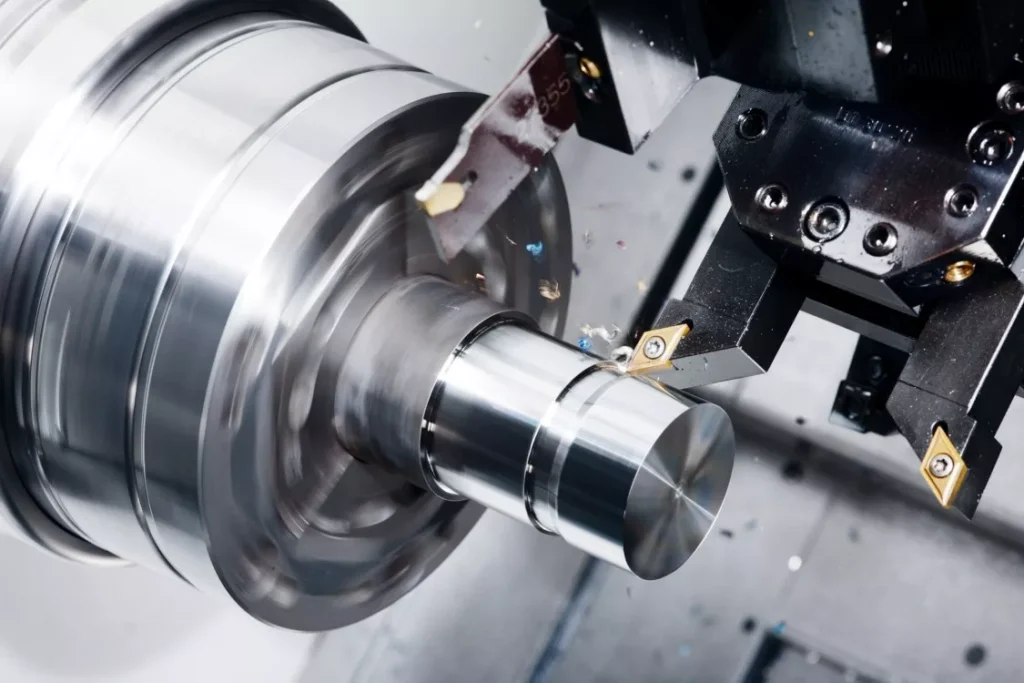
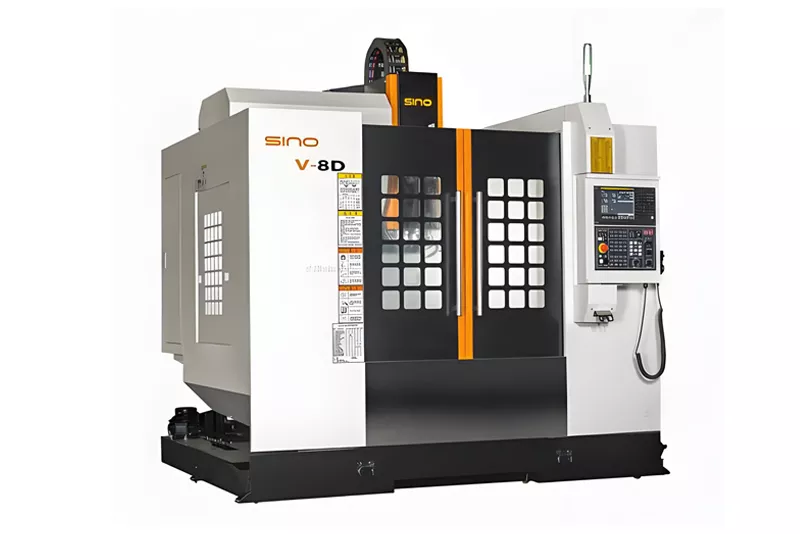
Electronics precision machining refers to the use of computer numerical control (CNC) systems to fabricate ultra-accurate components for electronic devices. Unlike traditional methods, CNC machining automates the process with programmed instructions, achieving tolerances as tight as ±0.001 mm—critical for parts where even the slightest imperfection can disrupt signal integrity or thermal performance. At its core, this involves operations like milling, turning, drilling, and grinding on materials ranging from metals to advanced polymers. For electronics, the focus is on miniaturization: think micro-holes in PCBs, custom enclosures for sensors, or intricate connectors for IoT devices. Huihuan's CNC expertise ensures every part meets exact specifications, reducing waste and accelerating time-to-market. Why does this matter? In an industry where reliability is non-negotiable, precision machining minimizes defects and supports scalable production. Curious about the tech? Check out our CNC capabilities.