
The difference between titanium and stainless steel in processing
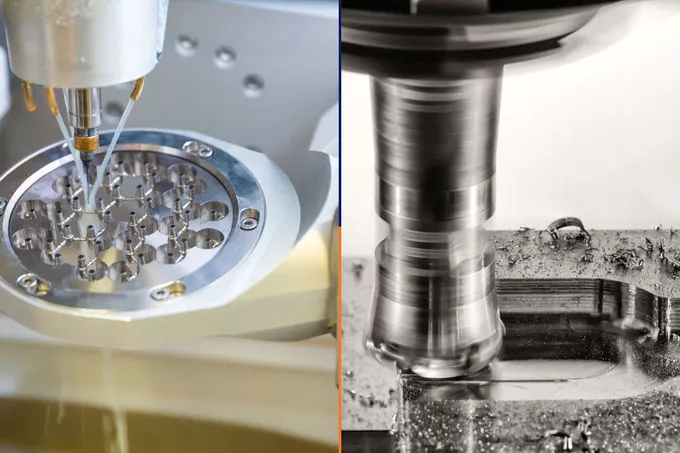
machining of titanium poses challenges due to its high hardness and poor thermal conductivity. However, titanium's outstanding strength, corrosion resistance, and capacity to endure extreme temperatures make it ideal for numerous industrial uses. To effectively machine titanium, operators must account for factors such as feed rates, cutting speeds, cutting tools, and other pertinent considerations. With proper attention and specialized expertise, titanium provides significant benefits across a broad spectrum of industries
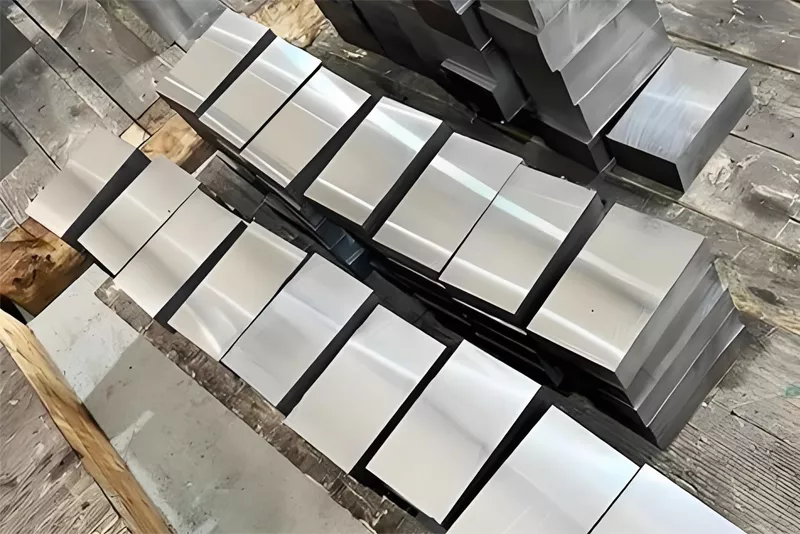
Stainless Steel Overview
Stainless steel is a versatile alloy known for its excellent corrosion resistance, durability, and aesthetic appeal. It primarily consists of iron, chromium (at least 10.5%), and often includes other elements like nickel, molybdenum, or carbon to enhance specific properties. This combination allows stainless steel to form a protective oxide layer on its surface, which prevents rust and damage from environmental factors such as moisture, chemicals, and temperature fluctuations. Widely used across industries, it is found in kitchenware, medical equipment, construction materials, automotive parts, and consumer electronics. Its strength, ease of fabrication, and low maintenance requirements make it a popular choice for both functional and decorative applications. While more expensive than some other metals, stainless steel’s long lifespan and recyclability contribute to its cost-effectiveness over time
Differences between Titanium and Stainless Steel in Machining
Titanium naturally has better corrosion resistance than stainless steel, making it particularly suitable for marine applications or those exposed to saltwater environments.
The two metals perform differently in terms of electrical and thermal conductivity. Titanium is inferior to stainless steel in both electrical and thermal conductivity.
Titanium is indeed stronger than stainless steel, offering a higher strength-to-weight ratio and a lower melting point. Hardness and melting points also differ between the two metals.
Due to its rarity and difficulty in processing, titanium generally costs more than stainless steel.
When choosing a material, consider factors such as weight, durability, and machinability. These factors directly impact the performance and economics of the final product.
Ultimately, the choice between titanium and stainless steel comes down to the specific needs of your application. Each material offers unique advantages, so they must be carefully weighed before selecting.
Factors such as cost, durability, strength requirements, and corrosion resistance all play a role in your decision. However, the ultimate choice depends largely on what you hope to achieve with your project and the environment in which it will operate.
In addition, you may need to consider accessories such as fasteners, especially if you want them to directly interface with the selected material. Certain types of fasteners may require additional modification to accommodate the type of metal being used. These details will directly impact the overall effectiveness and durability of your project, so it's important to exercise caution when making your final decision.