
CNC Machining vs. Manual Machining: Which Technology Is Better
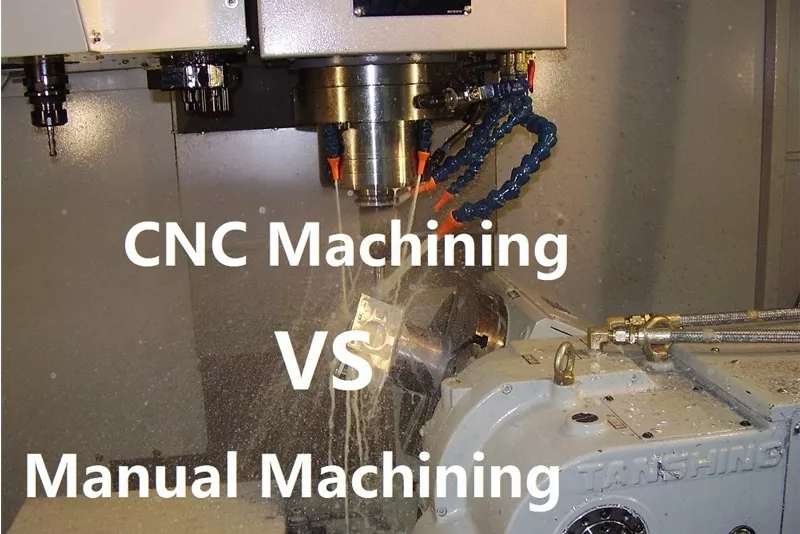
In the manufacturing industry, two different methods are prevalent: CNC machining and manual machining. CNC machining fully leverages automation and precision, while manual machining preserves traditional craftsmanship. To learn more about CNC machining, please visit our comprehensive guide.
The decision between CNC and manual machining affects more than just production—it also impacts efficiency, cost, and quality. Recognizing how CNC machines and manual machines operate can lead to optimized resource utilization and profitability.
Whether you're considering a CNC lathe versus a manual lathe or evaluating manual milling machines, this blog will guide you through a comprehensive understanding of these two essential manufacturing technologies.
Basic Knowledge of CNC and Manual Machining
CNC Machining Basics
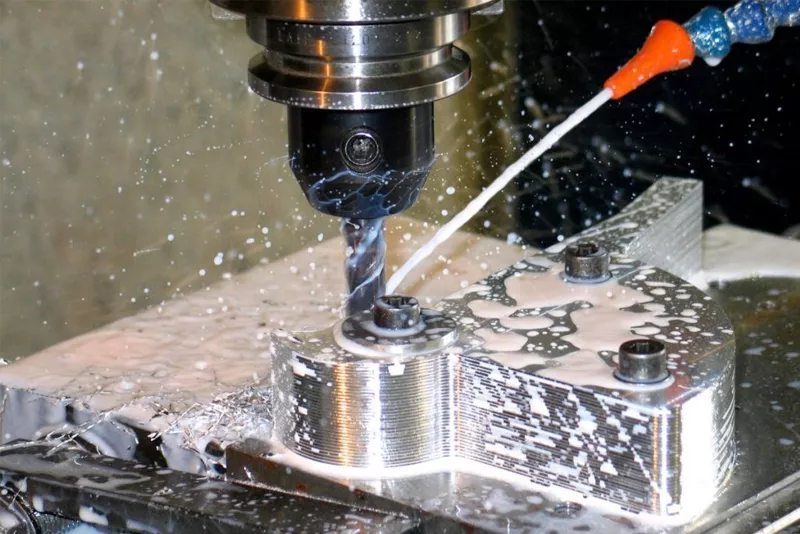
CNC (Computer Numerical Control) machining is a revolutionary technology that has completely transformed manufacturing. One of its core elements is the use of digital design. Unlike manual machining, where engineers operate machines by hand, CNC machining uses computer blueprints created through CAD (Computer-Aided Design) software. These blueprints guide the machining tools to manufacture parts with extremely high precision. To learn more about how this process works, please visit How Does CNC Machining Work?
The integration of CAD (Computer-Aided Design) and CAM (Computer-Aided Manufacturing) enables numerical control machine tools to follow computer instructions without human intervention. It ensures precision, consistency, and the ability to produce exact replicas of the same design. This automation eliminates the need for manual machining and improves efficiency and productivity.
In a world where precision is paramount, CNC machining is the preferred method to meet many manufacturing needs. The advantages of CNC technology are continuously driving industries such as aerospace, medical, and automotive to new heights. The ability to transform digital designs into physical parts, through CNC milling machines and CNC lathes, has revolutionized the game, making complex and intricate designs a reality. If you want to learn more about CNC precision machining and how it can become a valuable asset for your business, click here to discover the benefits of CNC lathe services.
Manual Machining Basics
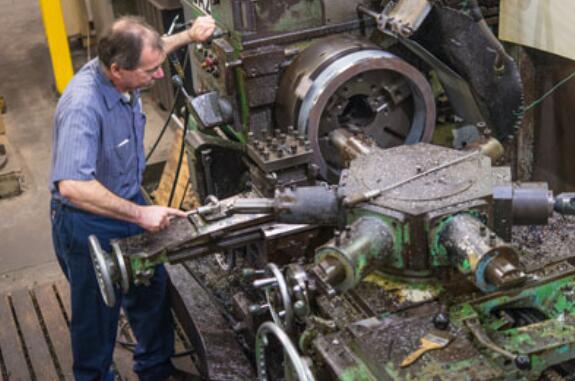
Manual machining refers to the traditional method of cutting, shaping, and forming materials using manually operated machines. Unlike CNC machining, which uses computer-controlled machines, manual machining requires skilled operators to operate manual machine tools such as manual milling machines and manual lathes. These machines are often considered the best manual lathes for specific tasks that require hands-on work. Manual milling operations and other manual processes require a high level of skill and expertise. Mechanics must be proficient in various techniques, from setting up manual milling machines to creating manual mill projects. However, manual machining can be a drawback, especially when large quantities are needed. The debate between manual and CNC machining often comes down to quantity and complexity, with manual processes being more suitable for limited production runs or specialized tasks.
Advantages of CNC Machining Compared to Manual Machining
Advantages of CNC Machining
1.Adaptability and Uniformity: CNC machine tools provide consistent quality and precision, especially in large-scale production. Whether in aerospace or medical manufacturing, the advantages of CNC machine tools are clearly applied across various industries.
2. Reliability and Productivity: Automation improves efficiency and reduces human errors. The integration of CNC machine tools with CAD-CAM software ensures reliable production, which is crucial in fields such as automotive and aerospace.
3. Reduced Labor and Simplified Maintenance: CNC machine tools require less manual intervention, saving labor costs. In addition, their maintenance is simplified, enhancing durability.
4. Standardized Design and Enhanced Safety: CNC machine tool programming follows precise specifications, ensuring consistency in production. Furthermore, they are generally safer due to minimized contact between humans and moving parts.
Advantages of Handcrafted Processing
1.Limited production with affordable pricing: When it comes to small-batch or one-off projects, manual machining is often more cost-effective. Manual milling, manual lathe work, and manual mill projects offer the flexibility needed for unique designs.
2. Adaptability to basic metal configurations: Manual machine tools and manual lathes are widely used in handling basic metal configurations, allowing craftsmen to have better control.
Disadvantages of CNC Machining and Manual Machining
Disadvantages of CNC Machining
High initial cost: The purchase and installation costs of CNC machine tools are high, which may be a barrier for small businesses. In addition, CNC machine tools have some drawbacks related to maintenance and complexity; please refer to the CNC Machining Guide for details.
Limited human control: The automation defined by CNC machining means there is less room for human creativity or manual adjustments in the manufacturing process.
Complexity of setup and operation: Although CNC machine tools provide precision and efficiency, setting up and operating the machine requires specialized knowledge and training.
Dependence on electricity: Since CNC machine tools are fully computer-controlled, they require a continuous power supply. A power failure can interrupt production.
Disadvantages of Handcrafted Processing
1.Time-intensive: Manual milling machine operation and manual milling can be slow, especially for complex parts or large-scale production.
2. Possibility of inconsistency: Unlike CNC machines, manual machine tools may lead to inconsistent product quality due to human error or technical variations.
3. Higher skill requirements: Skilled operators are needed for manual machining, which increases labor costs.
4. Safety issues: Manual machining typically requires more direct interaction with machinery, thereby increasing potential safety risks.