
In-depth Analysis of Metal Casting Shrinkage: Causes, Effects, and Solutions in Precision Part Manufacturing
In high-precision industries such as robotics, automotive, aerospace, and medical devices, part quality and dimensional accuracy are critical in custom metal and plastic machining. One often overlooked yet profoundly impactful key factor is shrinkage in cast metals. This article will delve into the causes of metal casting shrinkage and its effects on product quality, and introduce how advanced manufacturers like Dongguan Changyuanfeng Precision effectively reduce defects caused by shrinkage through process control and machining techniques, thereby delivering high-quality metal and plastic components.
1. What is metal casting shrinkage?
Metal casting shrinkage refers to the volume reduction phenomenon that occurs as metal cools and solidifies from a liquid state to a solid state. If not properly handled, it can lead to internal voids, dimensional errors, and surface defects in the casting, affecting the quality of the final product.
Three common types of shrinkage:
Liquid Shrinkage: Occurs during the cooling phase before the metal solidifies, which may result in insufficient filling of the mold.
Solidification Shrinkage: The volume reduction that takes place as metal transitions from a liquid to a solid state, and is the primary cause of shrinkage cavities.
Solid Shrinkage: The linear or volumetric contraction that occurs during the cooling process from solidified state to room temperature, often leading to dimensional deviations.
2. Causes of Metal Shrinkage
The shrinkage rate varies among different metals and casting methods, and is typically closely related to alloy composition, mold material, gating system design, and cooling rate.
Metal Type
Approximate Shrinkage Rate (%)
Aluminum Alloy
6.0 - 8.0
Magnesium Alloy
5.5 - 7.5
Zinc Alloy
1.0 - 2.5
Steel Alloy
2.0 - 3.0
Influencing factors include:
- High thermal contraction coefficient of the material
- Poorly designed gates and risers
- Uneven cooling and solidification process
- Inappropriate mold material selection or insufficient venting
3. Impact of Shrinkage Casting on Precision Parts
If metal shrinkage is not properly controlled, the following quality risks may arise:
- Shrinkage Porosity: Cavities within the casting that reduce structural strength and may even cause fractures.
- Dimensional Deviations: Lead to assembly difficulties, particularly in scenarios involving robots and automated equipment where extremely high mating precision is required.
- Surface Irregularities: Increase post-processing costs and affect appearance quality.
- Stress Concentration: Prone to fatigue failure under load conditions.
In auto diecasting, if the engine housing develops porosity due to casting shrinkage, it will lead to oil leaks or structural failure in later stages.
4. How to Reduce Metal Shrinkage?
Design Stage Control:
Reserve appropriate shrinkage allowance based on material properties;
Use 3D simulation software to predict metal flow and solidification paths (e.g., MAGMASOFT, ProCAST);
Process Optimization:
Adopt vacuum or high-pressure die casting technology to reduce air entrainment;
Set up a reasonable cooling system to achieve 'directional solidification';
Place chillers, overflow channels, and risers in critical areas for effective feeding;
Post-casting treatment: Hot Isostatic Pressing (HIP) treatment removes internal pores; precision CNC post-machining corrects dimensional errors and improves assembly compatibility.
5.Dongguan Changyuanfeng
Precision: Enabling Shrinkage-Free, High-Precision Casting and Machining Services
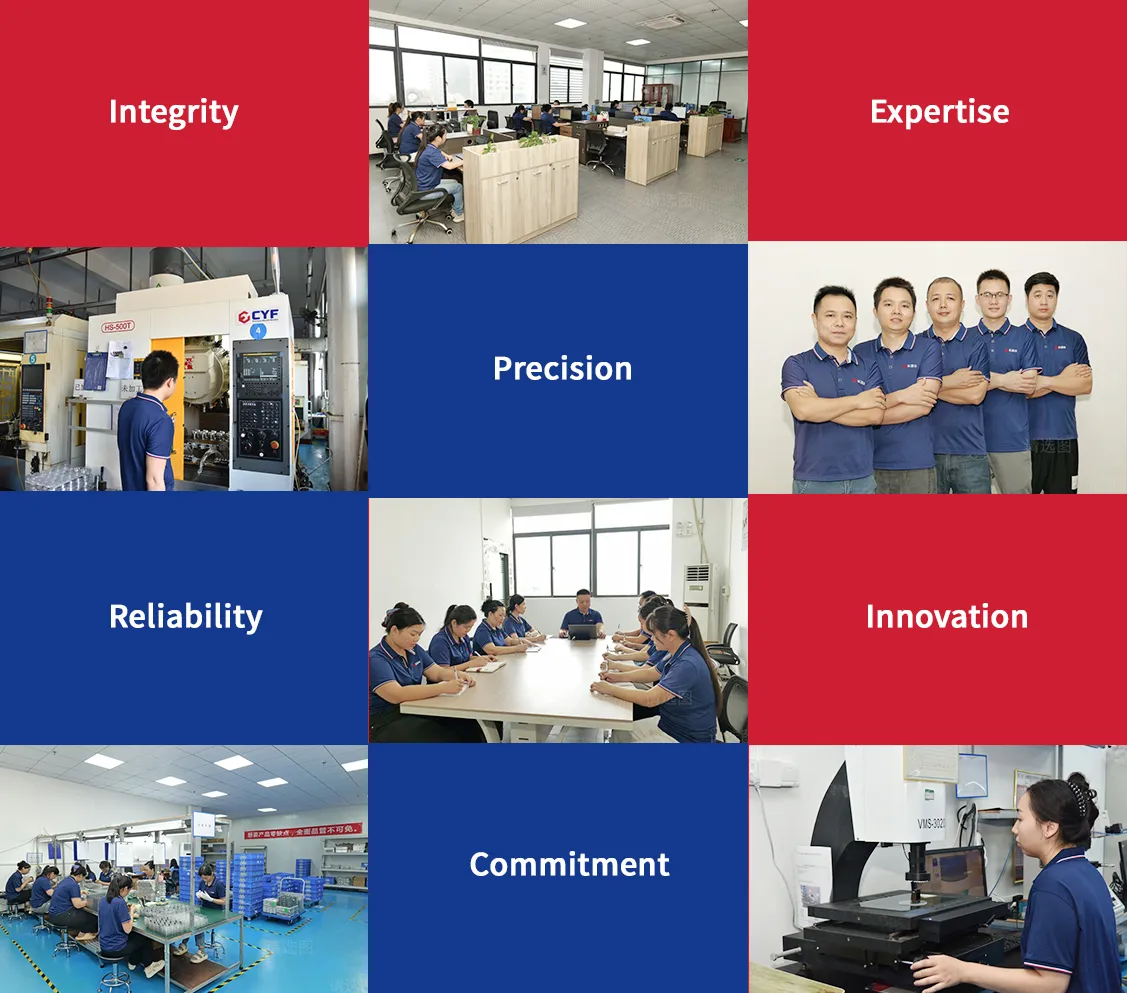
As a leading manufacturer of hardware and plastic parts in the industry,Dongguan Changyuanfeng
Precision boasts over 20 years of experience in precision machining. To address casting shrinkage issues, we assist our customers through the following means:
Utilizing advanced casting simulation analysis software to accurately predict metal shrinkage behavior;
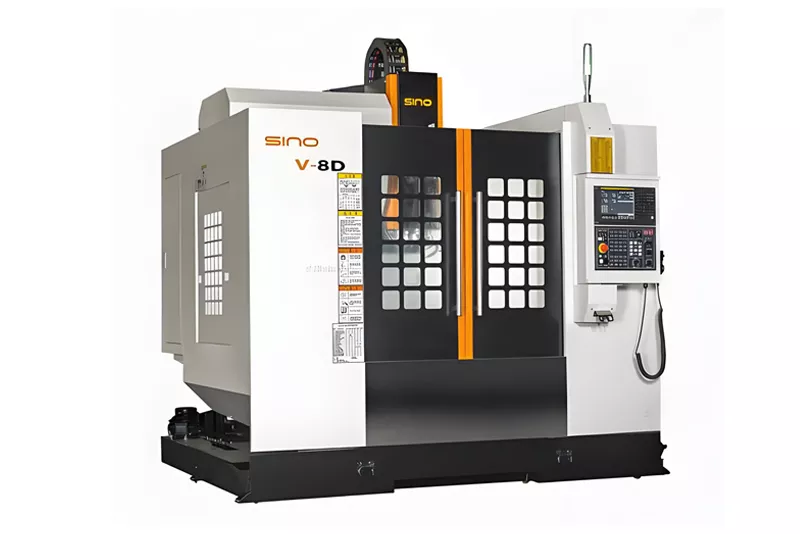
Adopting a process combining high-vacuum die casting with five-axis CNC precision machining;
Possessing an in-house mold workshop and intelligent production systems to achieve high consistency control from design drawings to finished products;
Our services cover high-standard fields such as robotics, automotive, and medical devices, with products exported to Europe, America, and Southeast Asia;
Holding both ISO 9001 and ISO 13485 certification systems to comprehensively ensure product quality.